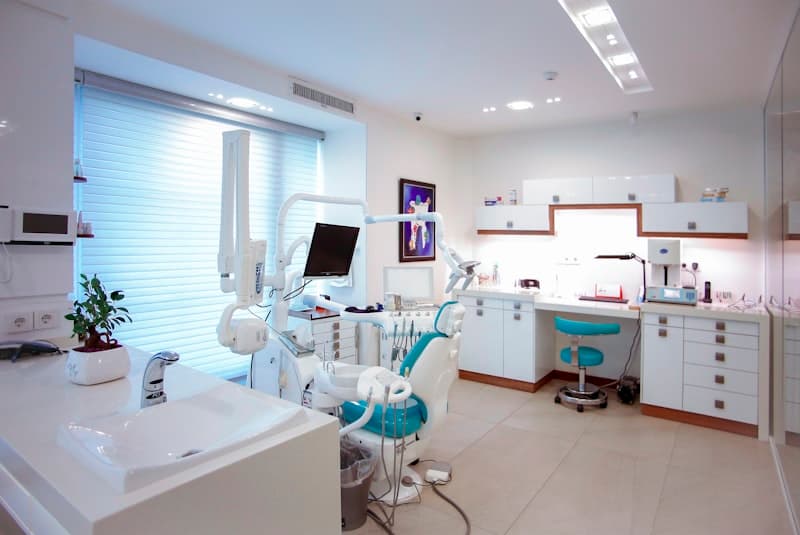
No shows are one of the most frustrating parts of running a dental practice. A patient books an appointment, takes up a slot in your diary, and then simply doesn't turn up. No call, no message, nothing. The chair sits empty, your nurse is standing around, and that hour of potential revenue is gone.
Industry figures suggest that no show rates in UK dental practices typically run between 5% and 15%. For a busy practice seeing 30 patients a day, even a 7% no show rate means two or three missed appointments every single day. At an average appointment value of £150 to £200, that adds up to somewhere between £75,000 and £150,000 in lost revenue per year, before you've even factored in the wasted staff time.
The instinct is often to throw more people at the problem: hire a receptionist to chase patients, get someone to make reminder calls. But that adds cost without necessarily fixing the root cause. Here's what actually works.
The real reason patients don't show up
Before you can fix no shows, it helps to understand why they happen. Research consistently points to a handful of causes:
- Forgetting. This is the most common reason by far. Life gets busy. An appointment booked six weeks ago slips the mind.
- Anxiety. Dental anxiety is real and widespread. Estimates suggest around 36% of the UK population experiences some level of it. Avoidance is a coping mechanism.
- Perceived low stakes. Patients who don't feel much urgency about their treatment are more likely to quietly let an appointment pass.
- Inconvenience. If cancelling feels like effort, finding the number, being put on hold, some patients will simply not bother and just not show up.
Most of these can be addressed without extra headcount. What they need is better communication, delivered at the right time, in the right way.
1. Automate your reminders and make them two way
A single confirmation call from the front desk a day before the appointment is better than nothing, but it's not enough. Patients respond far better to a sequence of reminders spread across the lead up to their appointment.
An effective reminder sequence looks like this:
- 72 hours before: Initial reminder with appointment details and a confirmation link or reply option
- 24 hours before: Follow up confirmation request
Two touchpoints is enough. Patients don't need reminding on the morning of their appointment — and if they've confirmed 24 hours out, you're in good shape. Overdoing it starts to feel like nagging, which erodes trust rather than building it.
The key is making it easy for the patient to confirm or cancel. If they can reply "YES" to a message and feel like they've done something, they're more likely to follow through. If they need to call the practice during opening hours to cancel, they often won't bother, and you'll only find out when they don't show.
Two way reminders via WhatsApp or SMS have a significantly higher engagement rate than one directional messages. They also free up your front desk from making manual reminder calls.
2. Introduce a cancellation policy and communicate it clearly
Many practices are reluctant to enforce cancellation policies for fear of upsetting patients. But a clear, reasonable policy, communicated at the point of booking and reinforced in reminders, actually improves attendance without damaging relationships.
A 48 hour cancellation notice requirement is standard and considered fair by most patients. You don't necessarily need to charge a fee for every missed appointment, but making it clear that short notice cancellations or no shows may incur a charge changes the dynamic. Patients who previously wouldn't bother calling to cancel often will if there's a stated consequence.
The policy works best when it's visible: on your website, in the booking confirmation, and mentioned politely in reminders.
3. Segment your reminder strategy by patient type
Not all patients are the same, and treating them as if they are means you'll miss opportunities to reduce no shows where they're most likely to occur.
Higher risk groups include:
- New patients who haven't yet established a relationship with the practice
- Patients who have previously missed appointments
- Patients with longer treatment plans (where individual appointments feel less critical)
- Patients booked in several weeks in advance
For these groups, an additional touchpoint, a personalised message acknowledging that you're looking forward to seeing them, or a reminder of what their treatment involves, can make a meaningful difference. For your regular, reliable patients, a standard automated reminder is usually sufficient.
4. Make rescheduling frictionless
Here's a counterintuitive truth: an easy cancellation process reduces no shows. When patients know they can cancel without a difficult conversation, they're more likely to actually do it rather than avoiding the interaction entirely and just not turning up.
If someone can't make it, you want to know as early as possible so you can fill the slot. A simple "can't make it?" link in your reminder message, or a one tap option to reschedule, achieves two things: it frees up the slot for another patient, and it keeps the patient engaged rather than drifting away entirely.
5. Track your no show rate by appointment type and clinician
You can't manage what you don't measure. Most practices have a rough sense of their no show problem but don't track it systematically.
Breaking it down helps you identify patterns. Are no shows concentrated around a particular day of the week? A specific type of appointment (hygiene visits tend to have higher no show rates than treatment appointments)? Are certain clinicians seeing more no shows than others?
With that data, you can target your interventions rather than applying the same blanket approach to every patient and every appointment.
Putting it together
Reducing no shows doesn't require a bigger team. It requires a smarter system: automated reminders at the right intervals, a clear cancellation policy, easy rescheduling, and proper tracking so you can see what's working.
For most practices, addressing no shows with the right tools in place can recover tens of thousands of pounds in previously lost appointment revenue every year, without touching the staffing budget.
CubiqCloud helps owner operated dental practices automate patient reminders, track no show patterns, and recover lost appointment time without adding admin overhead. If you'd like to see how it works for a practice like yours, get in touch.
Ready to grow your practice?
See how CubiqCloud helps dental practices automate patient communication, reduce no-shows, and convert more enquiries.
